Product design
Product design taught me to understand the person experiencing a system.
Meet the Founder
I’ve always wanted to know what was really happening.
Complex organizations produce plenty of explanations.
The financials tell one story. Leadership has another. Teams closest to the work may see something entirely different.
I’ve spent much of my career inside those differences.
LinkedIn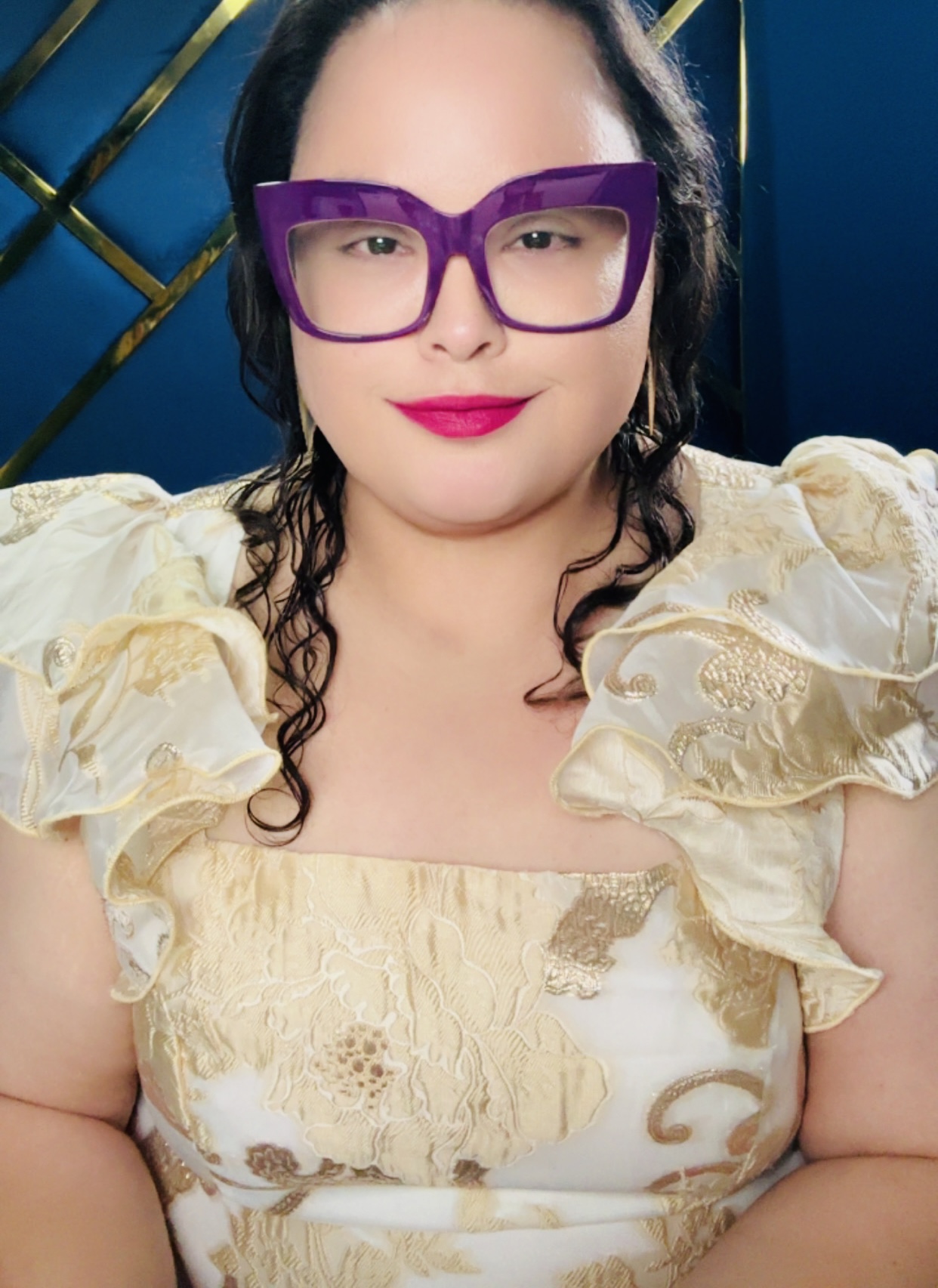
Across 18 years of experience, I’ve worked across transformation, technology, operations, governance and experience. The most interesting assignments usually involved complicated environments where the obvious explanation proved incomplete.
My instinct is to investigate.
Talk to the people involved. Follow the work. Examine the economics. Compare what should be happening with what is actually happening. Keep going until the explanation survives the evidence.
Eventually, this instinct became Reason Reveal.
The foundations
First the person. Then the experience. Then the organization. Then the business.
Product design taught me to understand the person experiencing a system.
Service design taught me to follow the experience across every handoff.
Organizational design taught me to see how structure, incentives and decisions shape performance.
Business design taught me to connect the system to the economics.
Transformation brought every layer into view.
Today, I work across them to understand what is producing a result and what must fundamentally change to produce a different one.
Perspective through experience
of experience
engineers within one operating environment
portfolio of major capital projects
risk identified and prevented
programs and products across a complex enterprise portfolio
users within a financial services environment
Scale changes the nature of a problem.
More functions. More dependencies. More competing explanations. Greater distance between a decision and its consequences.
I learned to work inside the complexity.
Across boundaries
My career rarely involved tidy problems contained within one function.
The interesting ones crossed boundaries.
A portfolio could appear healthy from one vantage point while individual projects accumulated risk underneath it.
A technology problem could originate in governance.
A process problem could trace back to incentives, ownership, decision rights or information moving poorly between teams.
An executive dashboard could accurately report what happened while revealing very little about why it happened.
I gravitated toward these assignments.
They required crossing organizational boundaries, listening to conflicting accounts and reconstructing how a system was producing its results.
A recurring pattern emerged.
The problem visible to leadership and the problem producing the outcome were often different.
How I think
I distrust explanations arriving too quickly.
When something important is underperforming, I want to understand what changed, when it changed, where the effect appears, who experiences it first, what happened upstream and which assumptions are shaping the prevailing explanation.
I talk to executives.
I talk to people closest to the work.
Both perspectives matter.The organization has an intended operating model. People, processes, systems, incentives and decisions produce the lived one. I want to understand the relationship between the two.
A hypothesis is useful. Evidence gets the final vote.
When evidence contradicts my original thinking, my thinking changes.
The objective is to find the explanation best able to survive scrutiny.
What it’s like to work with me
I ask a lot of questions.
Some are straightforward. Others may uncover something an organization has been circling for months.
I’m comfortable entering situations where intelligent people disagree.
Different perspectives usually contain useful information. The chief financial officer may see the economics. An operating leader sees the workflow. A chief executive officer sees the strategic consequence. Someone several layers closer to execution may know precisely where reality departed from the plan.
My job is to understand how the pieces connect.
You can expect intellectual curiosity, direct communication, careful listening and a willingness to challenge an explanation when the evidence points elsewhere.
Good investigation requires all four.
Selected experience
At BHP, I worked inside an engineering and capital project environment spanning approximately 30,000 engineers and more than $2 billion in projects.
One investigation identified approximately $500 million in preventable risk.
The experience reinforced an idea already taking shape throughout my career: consequential problems can remain remarkably difficult to see when responsibility, information and decisions spread across a large organization.
Read the case studyAt Charles Schwab, my work included enterprise governance and experiences serving millions of users, including sophisticated high net worth clients.
The environment required moving between customer experience, technology, business priorities, governance and the realities of a highly regulated financial institution.
It strengthened my ability to move between strategic questions and the operating details underneath them.
Over time, the recurring pattern became impossible to ignore.
Organizations are full of intelligent people working from different vantage points.
Important causes can travel across functions, systems and organizational boundaries faster than any individual leader can see them.
I founded Reason Reveal to investigate those situations.
Why Reason Reveal exists
Important business problems deserve more than a plausible explanation. They deserve investigation.
Reason Reveal exists to understand what is producing an important business result before prescribing what should change.
The answer may live in operations, governance, technology, incentives, ownership, customer behavior or several interacting at once.
Finding the cause changes what becomes possible next.
Beyond the work
My diagnostic instinct rarely switches off. It switches domains.
Away from work, the questions might move from an operating system to a city, a restaurant, a piece of architecture, a language or a person.
I’m interested in what gives something its character.
Why does one place stay with you while another disappears from memory?
What makes a restaurant feel inseparable from its city?
Which small detail reveals something larger?
What makes someone unmistakably themselves?
Writing gives me somewhere to follow those questions.
Travel gives me more material.
Curiosity does the rest.
If you’re dealing with a consequential execution problem, considering fractional transformation leadership or think our work should intersect, I’d be glad to meet you.
Talk with AlexandraPrefer to connect the dots first?
LinkedInAlexandra VelezFounder, Reason Reveal